
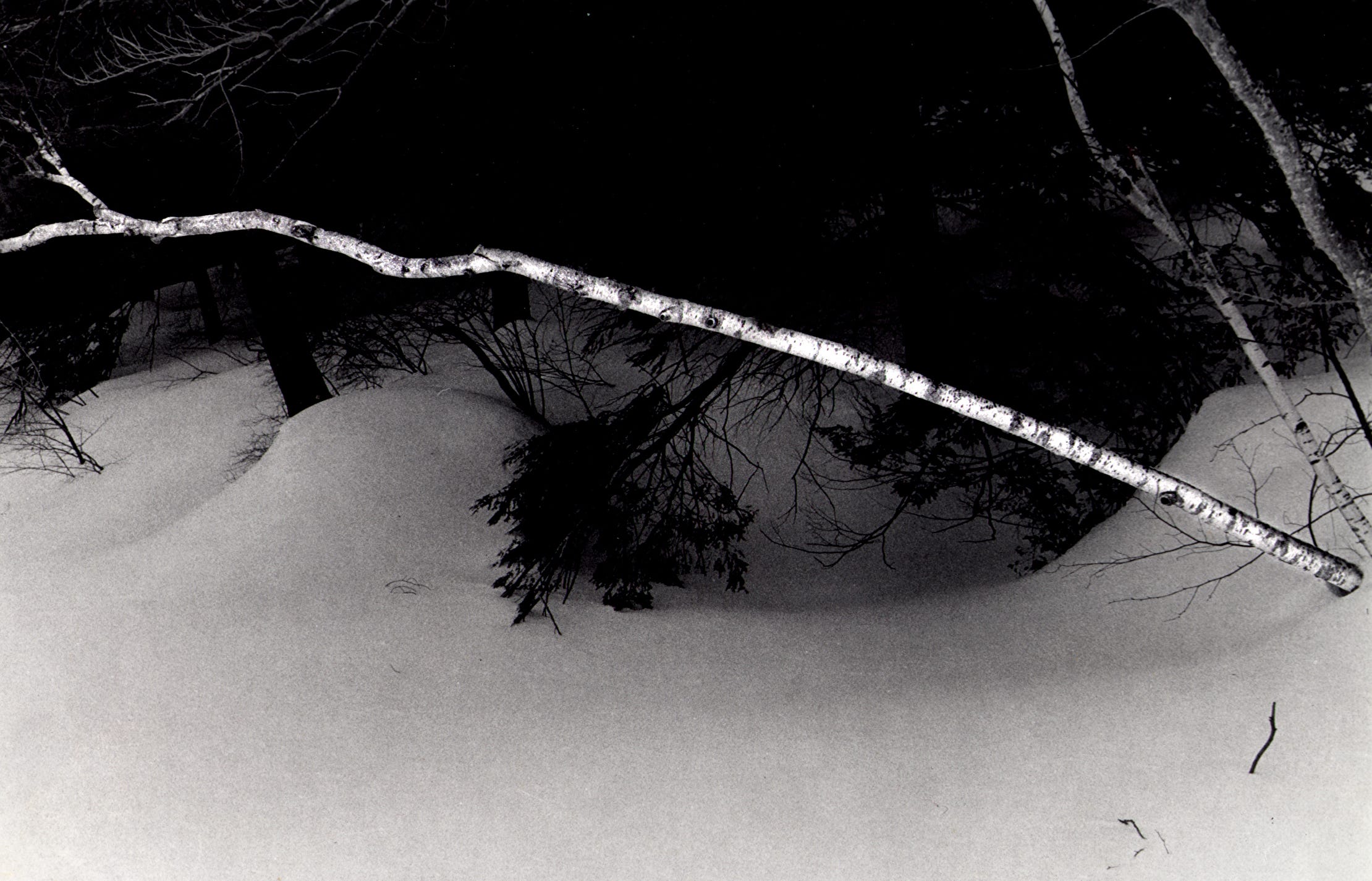
Lone Birch in the Snow
Signed Originals Unsigned Open Edition Prints
I’ve been contemplating removing a windbreak row of white cedar trees that line the property boundary on the southern side of my Sears and Roebuck bungalow here in the area that folks call “The Narrows” where the Connecticut River and the Ammonoosuc River flow together.
Along with a huge Norway spruce, the Cedars serve as the sentinels of my little slice of heaven.
Today, the 21st of December, is the Winter Solstice.
Kodi and I are on a mission. . . a spiritual mission to honor the sun’s return. . . but also to mark a more personal moment in my own journey.
 |
| Spirits Past, Present and Future |
Among Native people, different nations mark the solstice in different ways. Yet for all Native American nations, the winter solstice is a sacred turning point, marking the “rebirth” of the sun, the beginning of a new year, and a time for spiritual reflection.
More than just a celestial event, it is viewed as a reminder that life moves in cycles, teaching patience and faith in those “cycles of creation”.
For the Hopi it is a time of community celebration, marked by dancing, prayer, and the sharing of life’s riches.
For the Cheyenne and Sioux people the solstice is a time of reflection, sharing and story-telling. It is said that animal stories are told at this time not only for their cultural value but also because most animals are in hibernation, so they can’t be hurt or insulted by people talking about them!
Not knowing how long our adventure today will take, I have filled the wood pellet stove and hope that its warmth will bless us upon our return.
I stand outside in the cold air, stretching, trying to shake 70 years of hard living and mountain-guide-miles from my joints and my bones. Hoping beyond hope that the pain shooting down my legs will diminish as Kodi and I move our aging bodies along. You’d not know it, If the stories about equivalent human/dog years are actually true, he’s actually older than I - at least in theory. He certainly seems to wear it more easily, but I wouldn’t know if he was simply putting on a brave face.
As we leave the warmth of our home, The Narrows lies directly before us. New Hampshire beneath our feet, our gaze directed to Vermont.
What silly creatures we humans are that we create these artificial barriers between us.
The crunch of our pathway sounds over snow that has seen the warmth of the previous day, petrified by the night air that rises from the river in layered mist.
I pause briefly, looking down, marveling at the fact that the sacred Sage, planted on a long-passed summer day, is still alive, poking through the snow, though all else is gone to brown.
 |
| Last Light on Langdon Woods |
I dig into the earth with only my fingers and gather just enough for our silent ceremony to come.
Just over the Ray Burton Bridge from Woodsville, this historically significant section of the Connecticut River, characterized by a sharp constriction of the riverbed just before the two great rivers merge has its own name. . . “The Narrows”.
I use the word “merge” because in the historic context a lot of ‘merging” has happened at this very spot.
Acclaimed as both the largest river in New England and the longest river designated under the New Hampshire Rivers Management and Protection Program (RMPP), the Connecticut River is 410 miles long.
I was honored to be one of the original sponsors of the bill that established the RMPP, back in the day when I was a freshman State Representative. In 1992 when we added The Connecticut to the initial group of rivers, it became the first river to share shorelines with more than one state. It almost seems silly for a Native boy to feel such foolish pride over Vermont and New Hampshire merging to form a two-state protectorate alliance.
However, the first protectors, of both rivers, were the People of the Dawnland: The Algonquin and Abenaki people, my grandparents people, who later “merged” with the Voyageurs of Canada, as they opened up the continent in all directions, to the fur trade. Sharing the river at times and even - at other times - sharing their canoes.
I use the word “canoe” reservedly as well because the canoes of the fur traders, both French Canadian and Indigenious, were not the canoes we think of today. They included the “Montreal Canoe” a brute of a craft. Sometimes simply referred to as a Voyageur Boat.
These boats, also known as canots du maître, were built entirely from materials harvested from the boreal forests. handmade by the Louis Maître company in Trois Rivière. The canoes were 36 feet long, six feet wide and weighed more than 700 pounds; It is said that they were capable of carrying four tons of trade goods, passengers and even a horse or cow to boot.
Amazingly, these were - in fact - birch bark canoes. Try wrapping your head around the idea that there were birch trees growing that were large enough to provide the “skin” for a boat so large.
For smaller loads, and to accommodate more challenging waters like the Narrows, a competitor, the North West Company (NWCo), looking to compete and carve out its own territory, built smaller freight canoes, called the “North Canoe” with half the load capacity of the Montreal canoe.
 |
| Cloudy with a Chance of Umbrellas |
In the later part of the 1800s the rivers were dominated by the logging industry. Logs were moved by floating them down the river and The Narrows were the greatest challenge of all. Various accounts note that by the time drives reached the Narrows, they could contain as much as 65 million board feet of timber. Log jams at these narrow points were frequent and required men to risk their lives finding the “key log” to break the jam. It is estimated that 10 to 12 men perished every year on the Connecticut River drives, many in the area around the Narrows. Drowning and being crushed by logs were the most common causes of death.
When a riverman was killed and his body recovered, his fellow workers would often bury him on the riverbank and hang his spiked boots from a nearby tree as a memorial.
Eventually, the timber industry crowded out the fur trade. Both suffered similar fates however, because neither was able to moderate their lust for wealth and the despolation of the earth from logging and the near extirpation of beaver hastened the demise of each.
Today, thanks in large part to both cultural changes and regulatory protections, both industries have bounced back in their own ways.
 |
| Sun Dried Nostalgia |
OK . . . so where were we?
Kodi and I continued on our journey. We built a small fire - unlit at the moment - in the back yard. I will light it upon returning from our walk, adding some sacred tobacco and the last of the Sage from our garden.
Kodi has no way of knowing the solemnity of the moment, yet for whatever reason he not only stays by my side as we walk to the Cedars, he stands watching as I cut a small prayer stick, another common Native American Solstice tradition, from a low-hanging branch. I add some turkey feathers gathered just before snow covered the ground last week, and we head for the water’s edge.
I extend the stick to him and he takes it in his mouth. At this point I would expect him to go into overdrive - after all giving the stick to him would normally be interpreted as a sign that I’m ready to play. Perhaps it is the feathers I have added that signal to him that this moment is different, but he is calm and simply maintains his place at my side . . . no leash, no commands, just a calm pace that matches my own.
At the water’s edge, we gather some red osier twigs, mostly out of tradition since it is commonly said that smoking the bark of the Red Osier Dogwood produces an effect described as stupifaction.
And here, removing the prayer stick from Kodi’s mouth I quietly stand and remember a Winter Solstice 45 years ago. When Alice and I stood on the bank of Stinson Brook in Rumney, with 3 close friends and our dog Buster, each of us clutching a silly child’s magic wand and repreated our vows as Susan Calegari officiated over our wedding.
In the years that followed, Alice would tell people that we chose the Winter Solstice for the date because it was “the longest night of the year. . .”
It was usually accompanied by a gentle squeeze of her hand or a sly wink - completely unnecessary, of course.
Kodi and I lit the fire on the way home and watched as the sparks flew skyward. Merging with the stars.
Life moves in cycles, teaching patience and faith in those “cycles of creation”.
About Wayne King
Wayne is a North American “mutt” with a family heritage that winds through his Native American, Canadian, and US Colonial roots. His love for the philosophical founding documents and sacred stories and dreams of both the Abenaki and the Iroquois, the US Founders, and the sacred artists, musicians, writers, and poets whose works and images are a celebration of the circle of life, and continue to be the source of his inspiration.
An author, podcaster, artist, activist, and recovering politician, including three terms as a State Senator and 1994 Democratic nominee for Governor. His art (WayneDKing.com) is exhibited nationally in galleries, and he has published five books of his images, most recently, “New Hampshire - a Love Story”. His novel “Sacred Trust” - a vicarious, high-voltage adventure to stop a private power line - as well as the photographic books, are available at most local bookstores or on Amazon.
Wayne lives on the “Narrows” in Bath, NH, at the confluence of the Connecticut and Ammonoosuc Rivers and proudly flies the American, Iroquois, and Abenaki Flags, attesting to both his ancestry and his spiritual ties. Anamaki is a derivative of an Algonquin word meaning “abiding hope”.
Art, Columns, and Podcasts are produced at Anamaki Chronicles, Winter Warrior Studios in Bath, NH. Join the mailing list and be first to see new images and to receive special offers on cards, prints, limited editions, and more at his Anamaki Chronicles Substack
Madras Maple
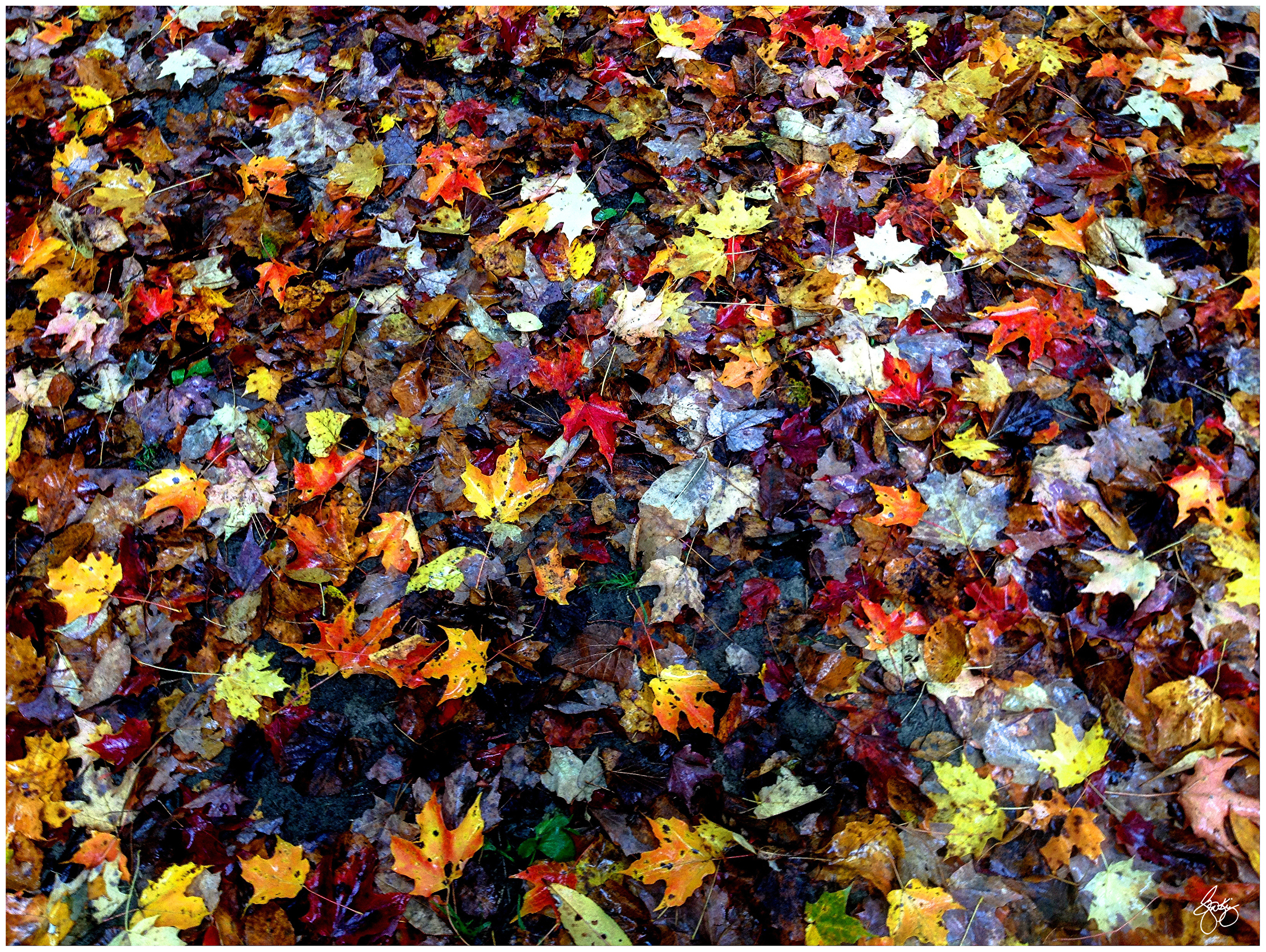
Maple Chaos
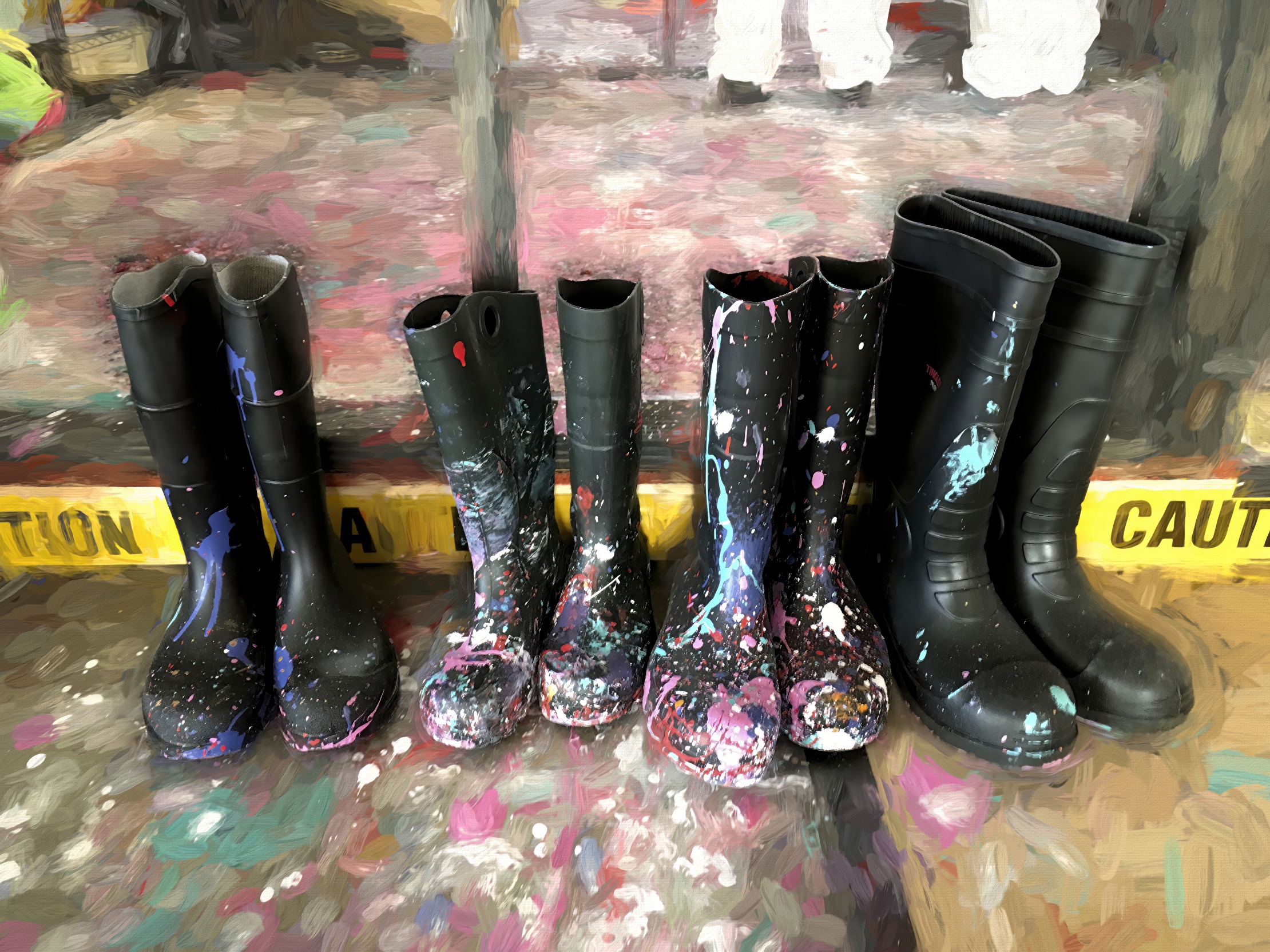
Painty Boots

Golden Spire
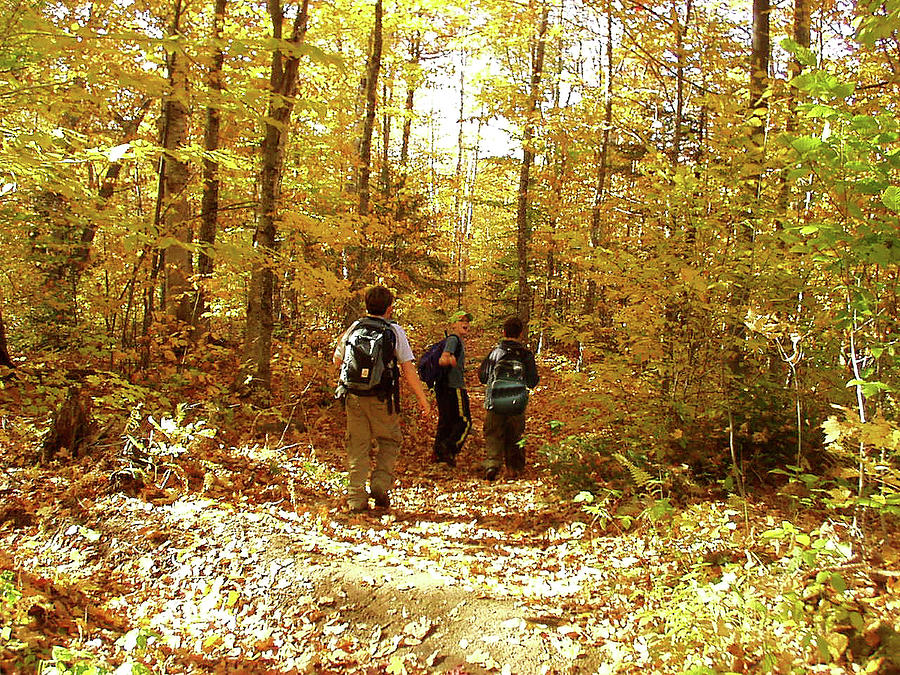
Hiking in a Golden Moment
|
| Madras Maple |
|
| Maple Chaos |
|
| Painty Boots |
|
| Golden Spire |
|
| Hiking in a Golden Moment |
 |
| Moonlight on Night Blooming Cereus |
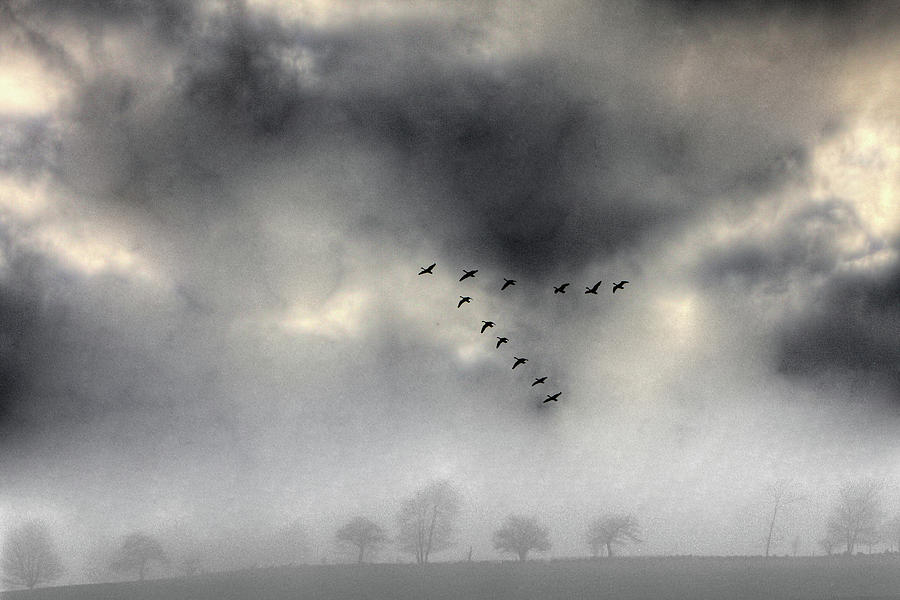 |
| Flying into a Gathering Storm |
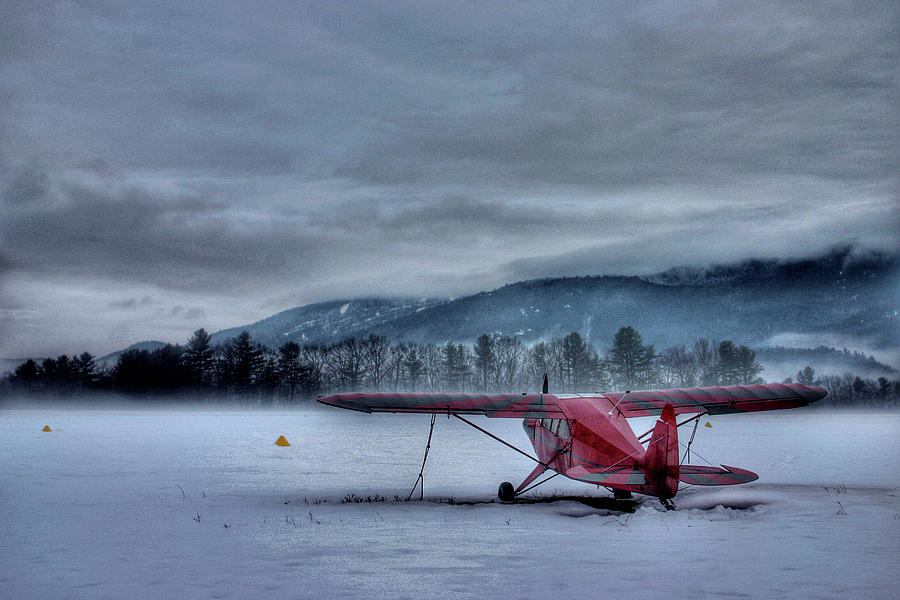 |
| Red Plane in a Gathering Storm |



No comments:
Post a Comment