
The Russell Sisters & Elizabeth Ford Holt
A quiet Northcountry triumvirate lived lives that are still celebrated by nurtured children and their children's children.
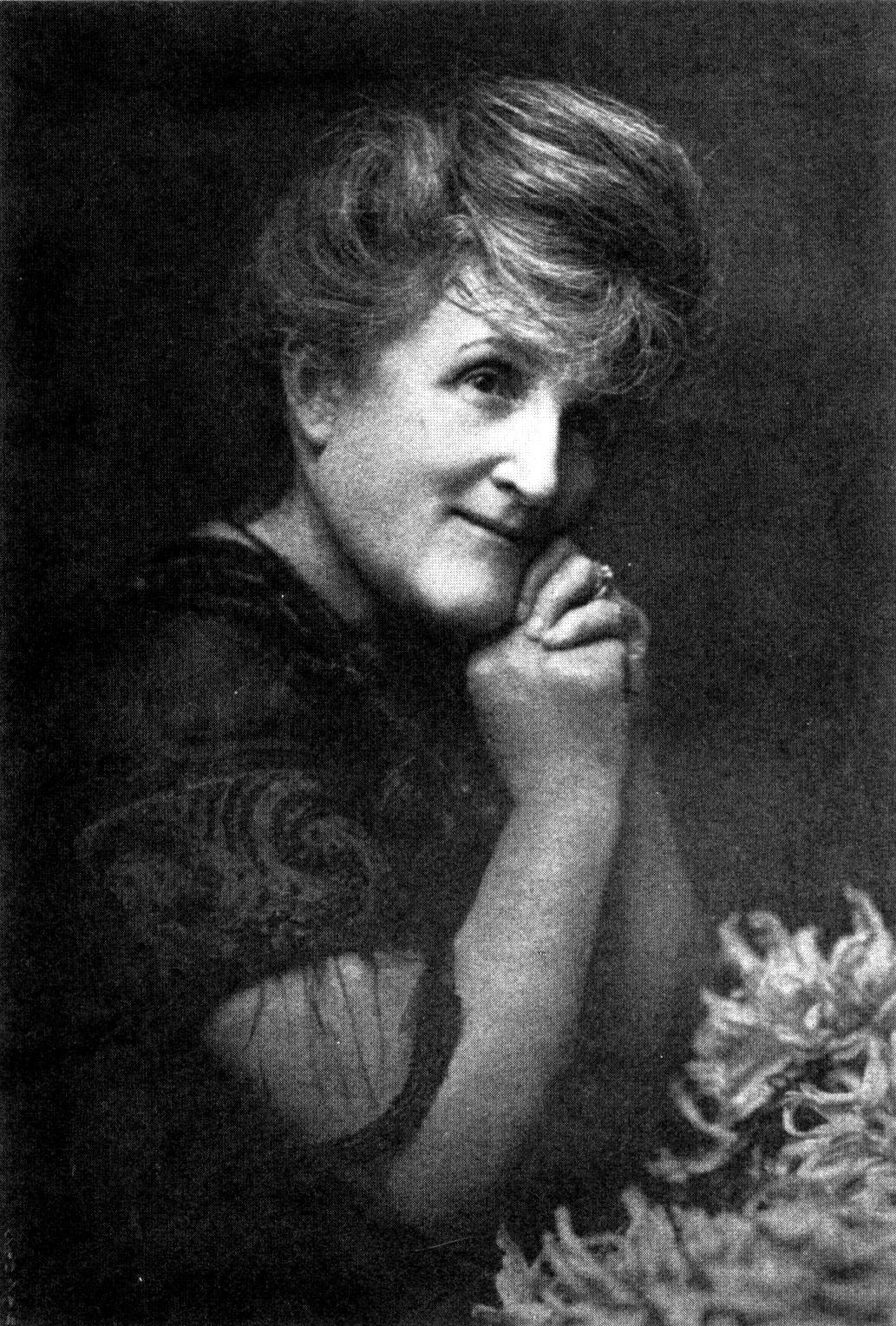
Elizabeth Ford Holt
Today’s journey with Kodi was a visit to Livermore Falls at the conjunction of six towns in central New Hampshire: Rumney, Hebron, Campton, Thornton Plymouth and Holderness, along the Pemigewasset River and the Baker (formerly: Asquamchumauke) rivers.
I have a long and spiritual connection to these two rivers.
Anamaki Chronicles is a reader-supported publication. To receive new posts and support my work, consider becoming a free or paid subscriber.
In my youth my sisters and I would ride our horses up over Lit’s Mountain behind our home, ending the trip with a swim - on the horses - in the Pemigewasset River.
The joys of coming out of the river on horseback and knowing that we needed to bail before the horses took their traditional roll in the sand after their swim are a tender memory that still brings a smile to my lips.
During the early years of my political career, and even before, I watched my mother and father, Roberta and Roger King, endure bricks through their window with hateful notes and threats to burn our home because they were engaged with other local heroes like Pat and Tom Schlesinger and Barry & Gretchen Draper of New Hampton, Bob & Lorraine Fischer of Holderness, Max Stamp of Bristol and many others, to clean up the Pemigewasset River, which had become an open sewer in earlier years.
Month by month, year by year, we watched as the river cleaned itself with the careful and loving oversight of these protectors, known as the Pemigewasset River Council.
But my connection to this group of communities ran much deeper.
It was here, in 1712, at the confluence of the “Pemi” and the Asquamchumauke Rivers (Now the Baker), that a group of 37 scalp hunters, under the leadership of Thomas Baker, attacked and wiped out a peaceful village of my people, Pemigewasset Abenaqui. The men were hunting, so the attackers killed mostly women and children, and elders. Thus the name “Baker River” subsumed the Asquamchumauke.
Today one woman, named Kris, has taken up the cause to restore the ancestral name to the Asquamchumauke.
Too often we effusively praise the giants among women and forget about the everyday heroes among us who nurture us, build the bonds of community and speak bravely in the face of injustice, even when they are (seemingly) alone. Kris is just such a hero in my mind.
The difference between the everyday hero and the national symbols among women are a matter of scale, and sometimes just simple luck.
Most of us know at least some of the names of powerful women, from the 20th Century, who have come to modern-day acclaim.
Jane Addams (1860-1935), Rachel Carson (1907-1964), Marie Curie (1867-1934), Margaret Mead (1901-1978), Golda Meir (1898-1978), Rosa Parks (1913-2005), Eleanor Roosevelt (1884-1962), Margaret Sanger (1879-1966), Virginia Woolf (1882-1941), Ida B Tarbell, Francis Perkins, and that just begins to touch at the Century.
The legacies of these extraordinary women echo down through the decades.
But very often, even their work began in the shadows - or was obscured by the culture’s male-dominance. However, time has burnished those legacies, and we have come to deeply appreciate their contributions to the American story.
So it’s fitting to recognize the everyday heroes among us as well. This matters, not because their contributions have spread far and wide but because, as Bobby Kennedy (SR) once said, they have set in motion ripples of change.
Today, my thoughts are with three friends and contemporaries, born in the late 19th century, who touched the lives of thousands over the long years of their lives.
“Liberated” before the word had meaning. These three women would - over the course of the 20th century change the world in their own small corner and are still remembered today long after their earthly souls have departed.
In 1900 Elizabeth Ford Holt founded Redcroft, the first summer camp established for girls in the USA. It was on the shores of Newfound Lake. Three years later, with the winds of Redcroft lifting her reputation, she convinced Rudyard Kipling to allow her to use the Jungle Book as the theme for a boys camp, Mowglis, School of the Open.
Redcroft would eventually transform into Camp Onaway. Both Mowglis and Onaway continue to operate and thrive today.
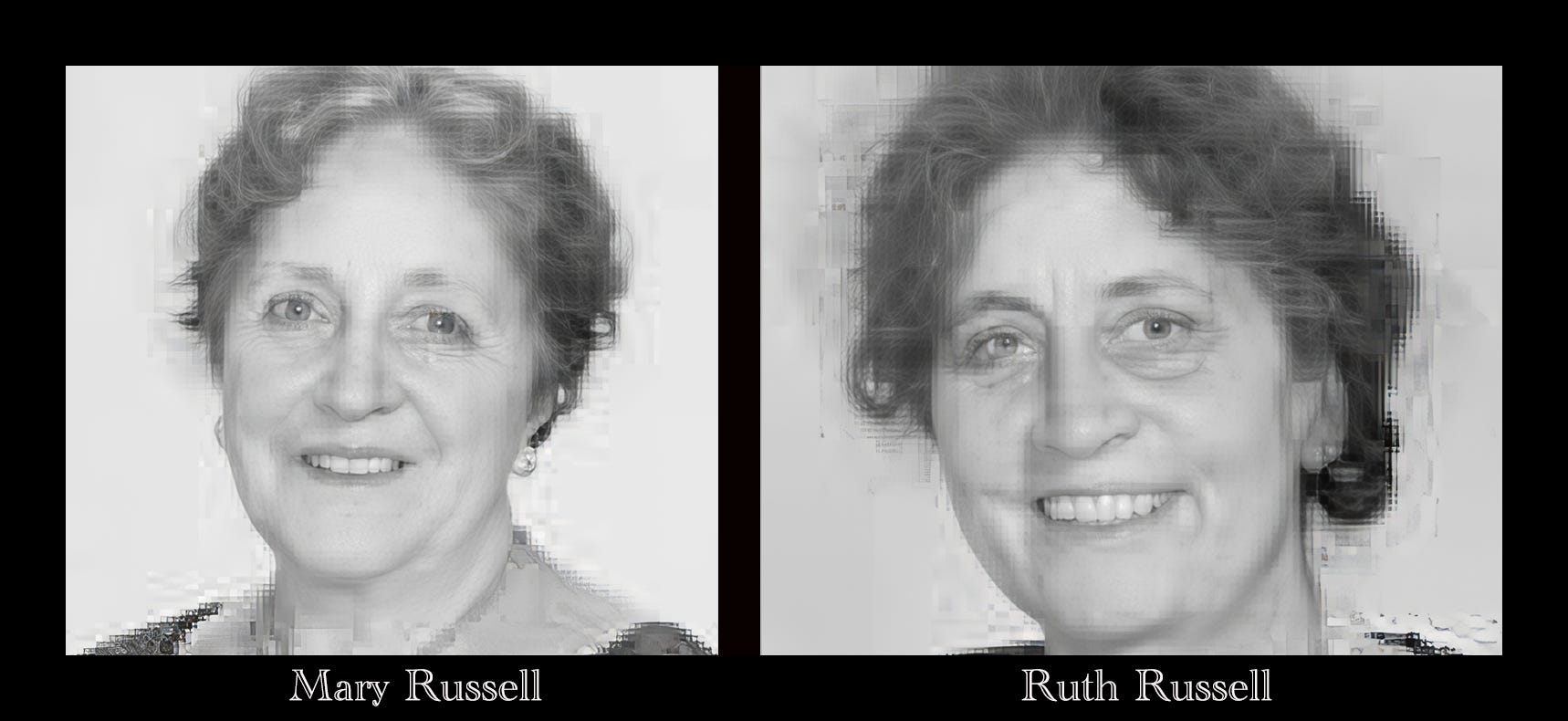
Less than a mile north along the lake two sisters, Mary and Ruth Russell, lived in a modest home.
Mary, who was teaching in one of Rumney’s nine one-room schools, while Ruth taught in another. Mary was also the summer dietician to Elizabeth Ford Holt, especially at Camp Mowglis. Ruth too filled in wherever she was needed. So the two split their years between Rumney and Hebron, helping to build community in both places.
I never knew Mrs. Holt, she died before I was born, but I grew up steeped in her legendary life. Her legacy has lived on in both the history and traditions of Onaway and Mowglis but beyond that as a progressive educator born in the shadow of such luminaries as Thoreau, Emerson, Longfellow and other esteemed members of the Saturday Club. In her younger years she moved in those same elite intellectual and reformist circles in Cambridge and Boston.
During the course of her life she became more and more concerned about the trend leading to the detachment of young girls and boys from their environment. So her move to New Hampshire was not happenstance but rather the result of taking her years of progressive education and creating a structured system to renew her goal of reestablishing the connection to the natural environment for girls and boys.
Elizabeth Ford Holt was a devoted member of the Christian Science church, and her faith significantly informed the “character-building” mission of her camps. Living in Cambridge and Boston placed her at the heart of the movement during its most influential years under founder Mary Baker Eddy.
A “New Woman” of the Era, Holt was part of a generation of independent, professional women drawn to Christian Science, which offered them significant leadership roles (such as “Practitioners”) and a platform for social reform at a time when many traditional institutions were closed to them.
The values she instilled—kindness, humility, and “doing your part for the community” — continue to be the bedrock of the Holt-Elwell Memorial Foundation, which preserves Mowglis today.
Mary and Ruth Russell were among the local women who helped Holt realize her “School of the Open.” Mary Russell’s history with the camp dates back to at least 1910, when she served as the camp dietician under Holt’s leadership.
Mary and Ruth, who both graduated from Plymouth Normal School (Today Plymouth State University), would go on to teach a combined 88 years in Rumney, beginning in one-room schoolhouses and eventually in 1957 into a consolidated school named in their honor. This was a very rare circumstance of a school being named for a pair of teachers while they were still teaching.
Even today stories are shared of the Russell sisters. Mary - who went blind in her later years - learned to navigate, especially with Ruth’s help, allowing her to continue to act, with Ruth, as the unofficial welcoming committee at Mowglis.
Almost without exception, until their passing, they were regular attendees at the Camp’s Saturday night activities along with parents.
Students who had been taught by Mary and Ruth remember that even after Mary had gone blind, she would recognize their voices when they greeted her.
The two sisters were so bound together through their lives that one remembrance from K. Robert “Bob” Bengtson, Director Emeritus of Mowglis is worth the telling.
Bob said that the sisters mowed their own lawn well into their elder years. Mary, who knew how to run the lawnmower but could not see, would operate the lawnmower with Ruth at her side giving her instructions to guide her and make sure that not a blade was spared.
What a sight that must have been.
The grit and determination of these three women, along with their friend Irene Gibbs, continue to inspire generations of men and women who celebrate their commitment to community and progressive public education.
Notes:
Among those killed in the attack on the Pemigewasset village was Waternummus (also identified as Wattanummon), a Sachem elder, known as a peacemaker and diplomat. It is said that he died while helping his family, children, and other women of the group escape into the woods.
About Wayne
Author, podcaster, artist, activist, social entrepreneur and recovering politician. A three-term State Senator, 1994 Democratic nominee for Governor. His art (WayneDKing.com) is exhibited nationally in galleries and he has published five books of his images, most recently, “New Hampshire - a Love Story”. His novel “Sacred Trust” a vicarious, high voltage adventure to stop a private powerline as well as the photographic books are available at most local bookstores or on Amazon. He lives on the “Narrows” in Bath, NH at the confluence of the Connecticut and Ammonoosuc Rivers and proudly flies the American, Iroquois and Abenaki Flags. His publishing website is: Anamaki.com.
From the Gallery
We do not have a paywall at the Anamaki Chronicles substack. In the spirit of native people we welcome what you can share with us and we offer what we have that you may find enriches your experience. Art, Columns, and Podcasts are produced at Anamaki Chronicles’ Winter Warrior Studios in Bath, NH. It is free to join the mailing list and to subscribe to our YouTube channel. Your donations and purchases of art and merchandise help us to cover the costs of production, and we hope to avoid advertising that we feel detracts from our mission. We invite you to join with us to support the creation of art, podcasts, and writing that serve to bring us together through truth and reconciliation. Anamaki Chronicles Substack
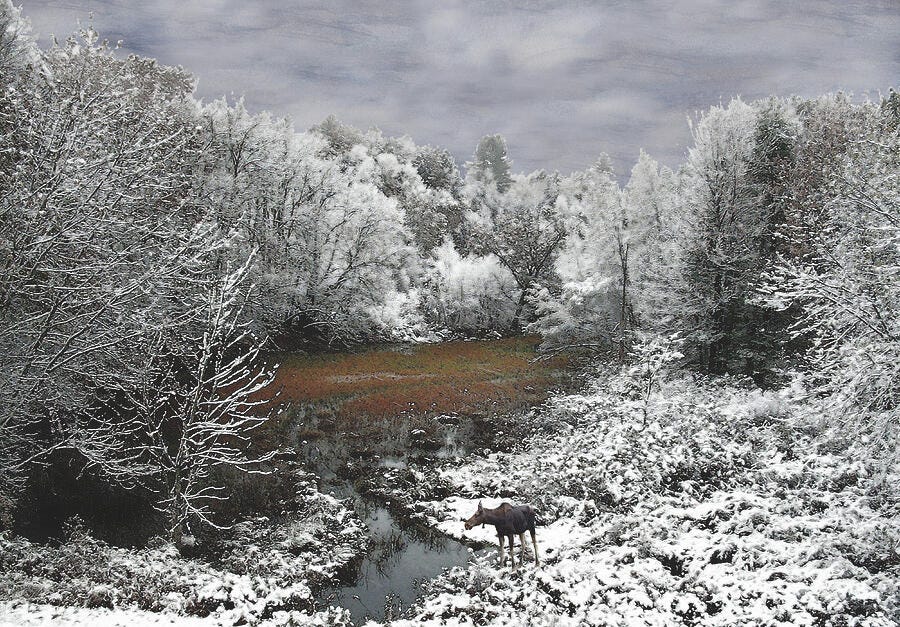
Lone Moose on a Snowy Oxbow
Signed Originals - Unsigned Open Edition Prints

A Great Day to Fly
Available in two sizes
10” x 16” - 20” x 30” - Unsigned open-edition prints

Blue and Gold Icefall
Signed Originals - Unsigned Open Edition Prints

Nara Umbrellas in Blue and Red
Signed in 2 sizes 16x24 - 22x40 - Unsigned Open Edition Prints
Red Squirrel Chaos
Signed Originals - Unsigned Open Edition Prints
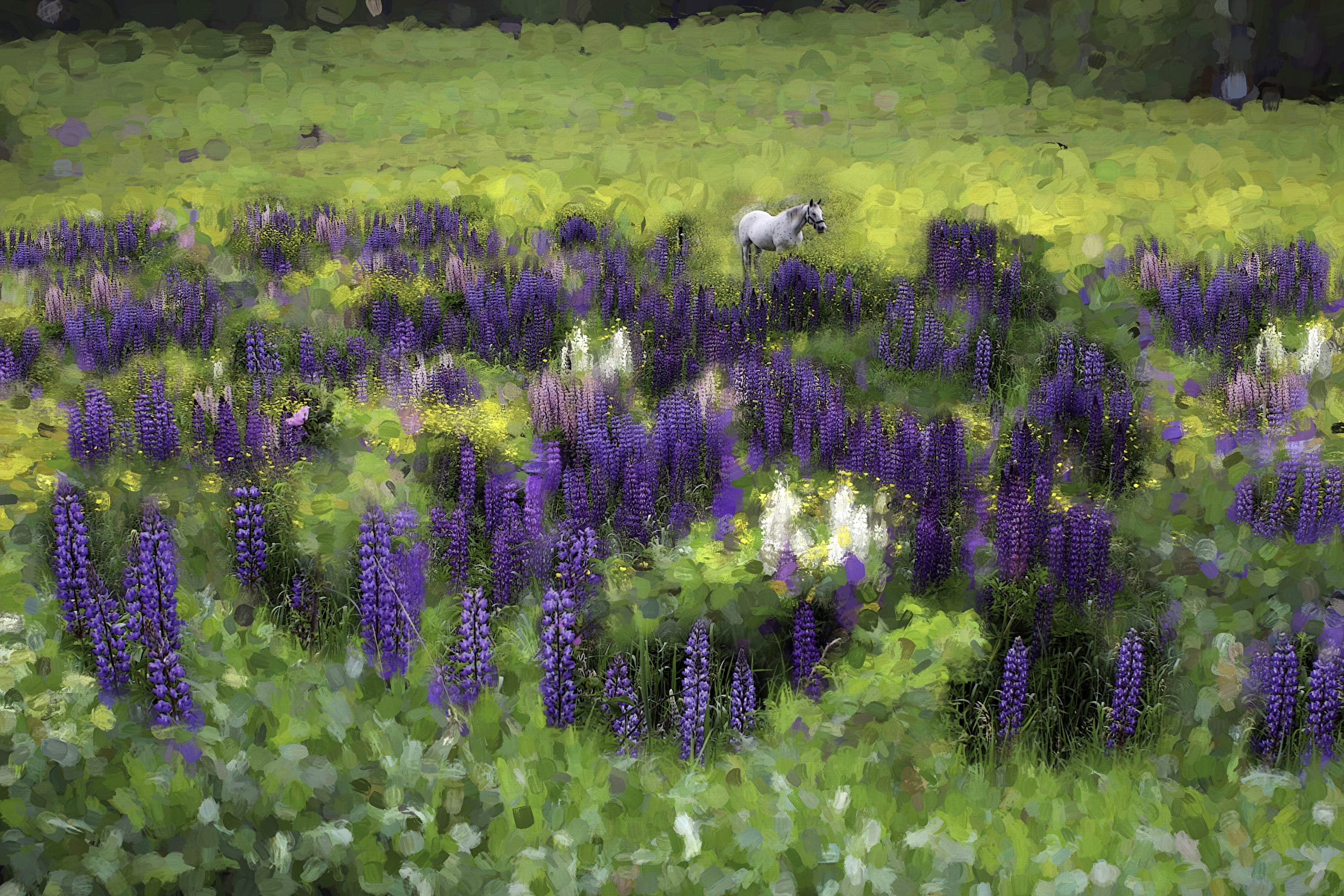
White Horse in a Blue Lupine Field
16” x 24” $495 - 20” x 30” $695 - Unsigned Open Edition Prints

Red Storm at Sunset
Original Print - Open Edition Prints
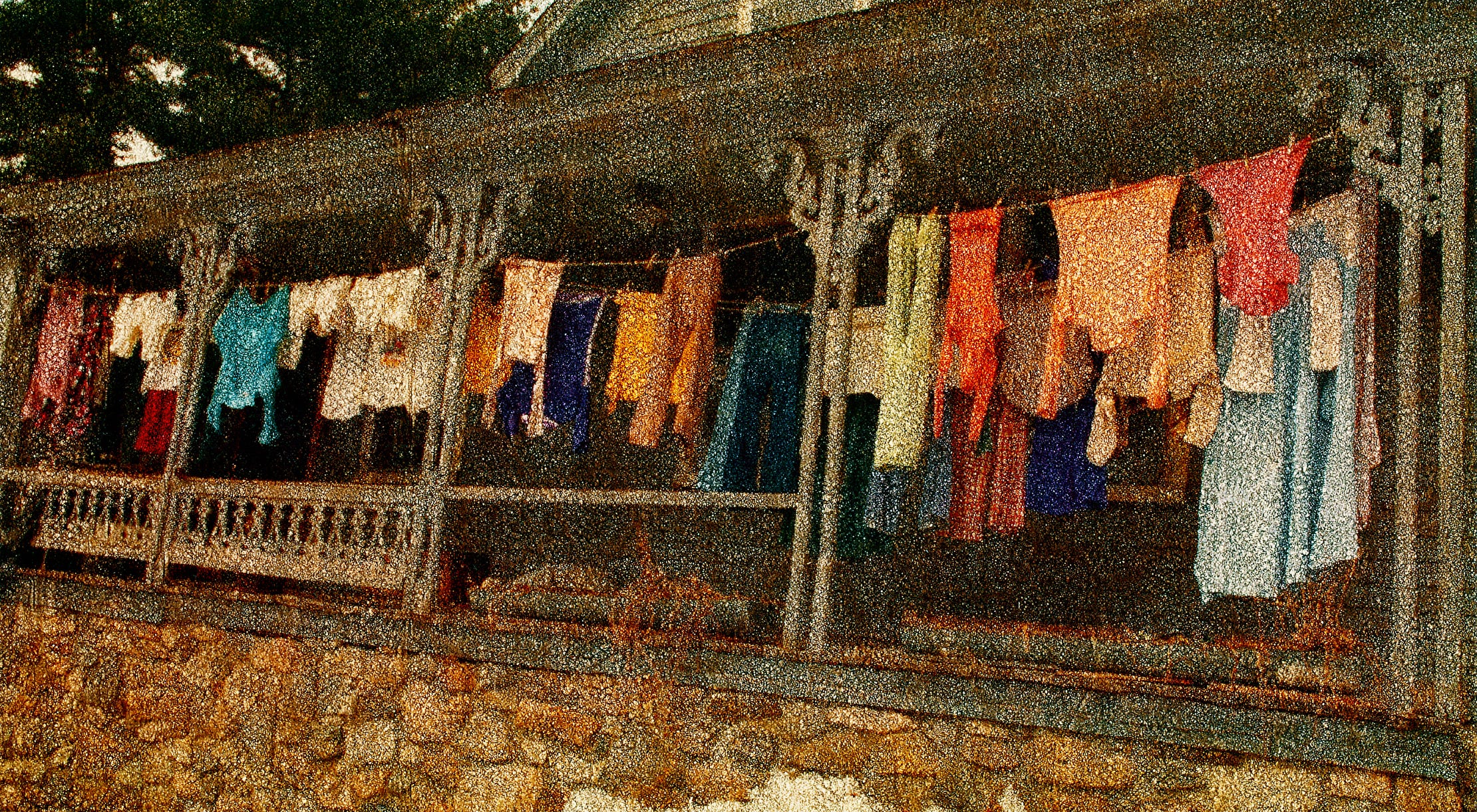
Washday, Alton NH
Originals Available in three sizes:
16.5 x 30” - 22”x40” - 26.5” x 48” on canvas:
Unsigned open-edition prints
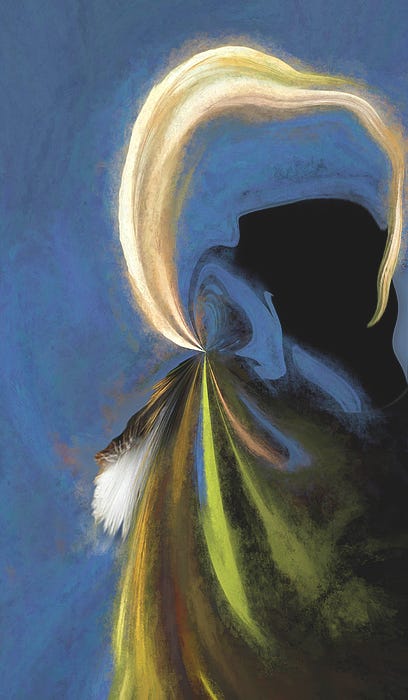
Approaching the Warrior
Signed Originals — Unsigned open-edition prints
Produced at Anamaki Chronicles, Winter Warrior Studios in Bath, NH.
This land lies in N’dakinna, the traditional ancestral homeland of the Abenaki, Sokoki, Koasek, Pemigewasset, Pennacook and Wabanaki Peoples, past and present. We acknowledge and honor with gratitude those who have stewarded N’dakinna throughout the generations.
Anamaki Chronicles is a reader-supported publication. To receive new posts and support my work, consider becoming a free or paid subscriber.


No comments:
Post a Comment